Portal data strategy

First-party transaction data for property portals

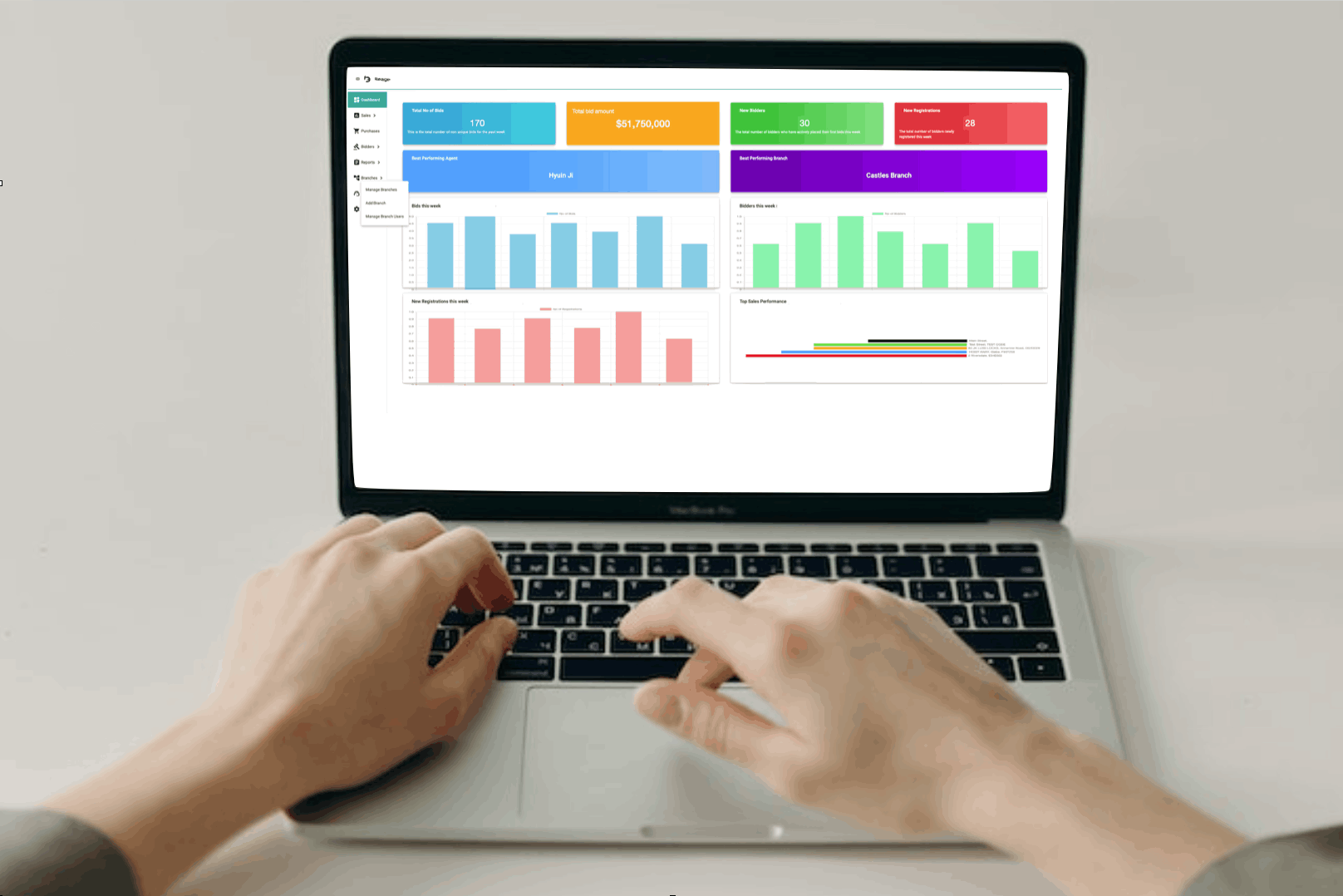
First-party portal data becomes more useful when it includes transaction activity, not just search behaviour. Beagel can create a controlled record of how buyers move from interest to commitment.

First-party transaction data for property portals

Move closer to committed buyer intent

Search, save and enquiry signals are useful, but they sit before commitment. Registration and offer events show a buyer entering the transaction process under defined rules.

Keep the data defensible

Transaction data must be tied to permissions, timestamps and clear workflow states. That is what makes it useful for analytics, customer success, reporting and future product development.

Respect the commercial boundary

Portals should not need to expose customer identities publicly or displace agents to generate better transaction intelligence. The infrastructure can remain white-label and agent-controlled.

Evidence behind the service

Review anonymised operating outcomes, the offer-ladder case study, DCU-led analysis and the independent Inman review.

What matters in practice

The main considerations for this service.

Registrations

A buyer expresses intent to participate, not only to browse.

Offer events

Structured signals record meaningful transaction progression.

Reporting

Portal teams can analyse activity beyond leads and listing engagement.

Discuss the transaction data available

Review which events the portal can receive and how permissions apply.