Why enquiry is an incomplete signal
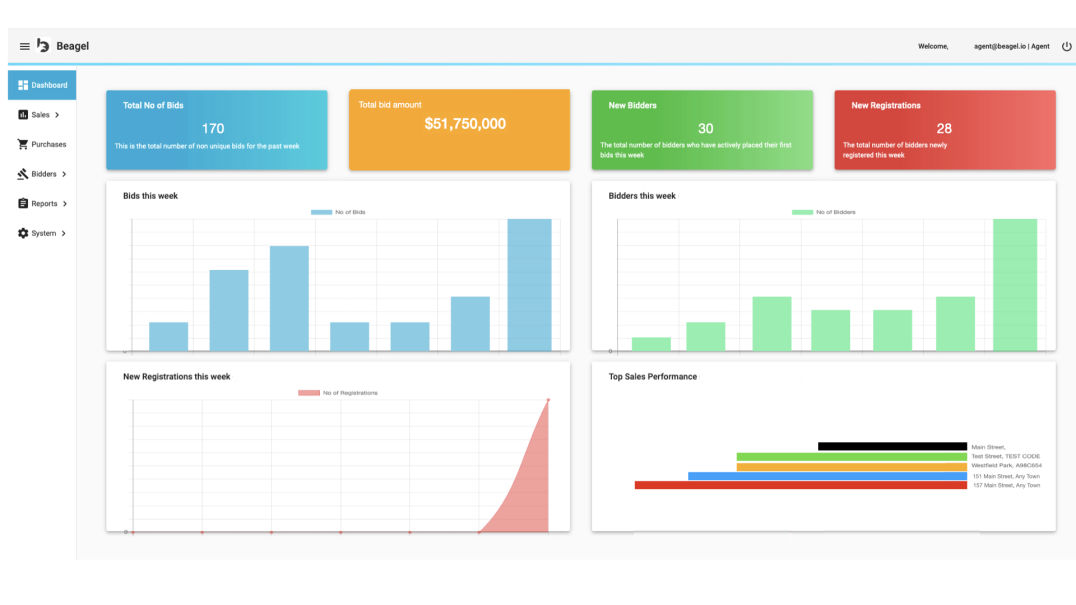
A lead tells the portal that someone asked for contact. It does not show whether the buyer was qualified, whether an offer was made, whether the seller responded or how the negotiation developed. Beagel closes that gap by recording what happens after the enquiry.
The transaction layer sits between portal and agent
A credible portal offer product should not turn the portal into the agent. It should allow the portal to provide the digital pathway while the licensed professional or brokerage applies local selling rules and manages client advice.
Evidence has to be portable
For enterprise buyers, activity records need to survive across teams, branches and systems. That means timestamped events, clear permissions, notification records and downstream access through APIs or reporting exports.
Before implementation
Map the listing source, buyer registration route, agent authority, notification model, reporting needs and production support responsibilities before scoping implementation.